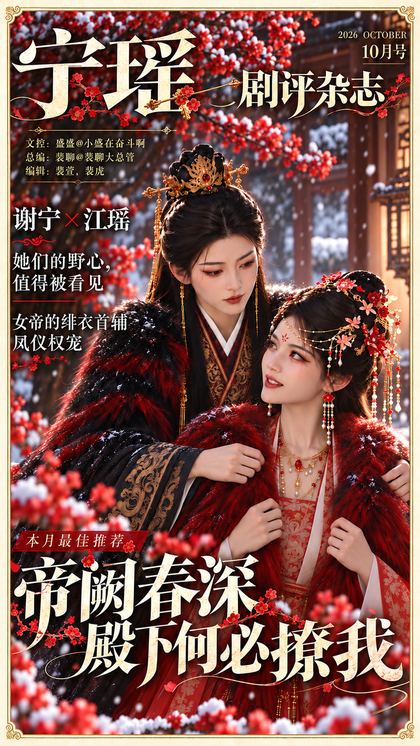
There is a particular kind of romance in historical storytelling that does not rush to bloom; instead, it takes root in the cold soil of courtly restraint, watered by patience, sacrifice, and the quiet defiance of fate. Such is the world of 《女帝的绯衣首辅》, from creator Xiaosheng that unfolds less like a conventional melodrama and more like a long, deliberate game of chess played by candlelight.
What makes Ning&Yao’s early courtship so captivating is its gentle, persistent rhythm. Over zither lessons, archery practice, and stolen conversations beneath the Mid-Autumn moon, the impulsive, clear-eyed princess sees right through Weining’s composure. When Weining hesitates—bound by the fear that loving another woman, and defying the roles carved out for them, is a path that leads nowhere—Li Yao offers a promise that becomes the spine of the entire series: "Leave the ways of the world to me. Just tell me whether I am in your heart."
Together, they make a quiet, earth-shattering decision: if the world will not permit them to exist as they are, they will stop being pawns and become the ones who move the pieces.
The turning point of the narrative arrives with the weight of classic tragedy. Cornered by the vindictive Crown Prince, who threatens both the Shen family and Li Yao’s future, Shen Weining makes a solitary, agonizing choice. She sets fire to the Eastern Palace, perishing in the eyes of the world alongside the Crown Prince so that every trace of scandal and political blackmail is buried in the ashes.
Yet death is only the shedding of a name. For six long years, two parallel journeys unfold in the dark:
Inside the Palace: Li Yao swallows her grief and steps into the storm of imperial politics. She suppresses rebellions, clears corruption, and silences the court’s doubts about a woman ruling the realm, ascending step by step to become the Crown Princess Regent—and ultimately, the Empress.
Beyond the Walls: Shen Weining endures the harshness of exile, rebuilding herself from nothing as a humble scholar named Pei Yan, climbing through the grueling imperial examinations until she returns to the capital as the top scorer (Zhuangyuan).
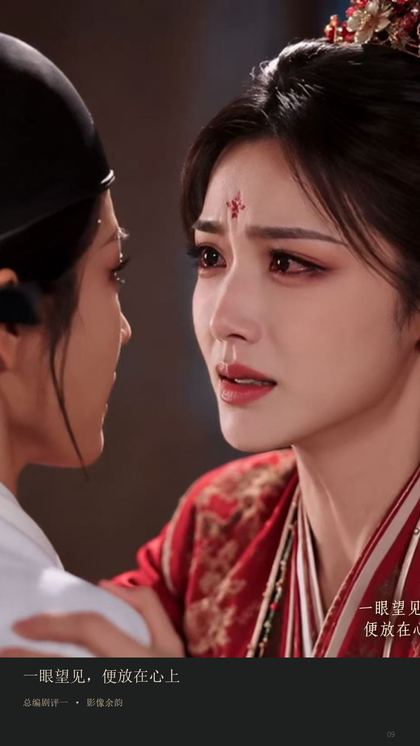
When Pei Yan rides through the streets of the capital and stands once more before Li Yao, the tension is exquisite. Neither dares to break the illusion in public, yet behind closed doors, six years of aching absence collapse upon the sight of an old jade bracelet and a burn scar from that fateful night.
One of the most moving threads in Xiaosheng’s writing is the tug-of-war over self-sacrifice. Having died once for Li Yao, Pei Yan enters the Ministry of Rites ready to use her own life as bait to root out the remnants of the old court. Li Yao’s anger at this is never born of imperial arrogance, but of deep, human terror. "You were never a blade in my hand," she tells her. "You are the one who holds the blade beside me."
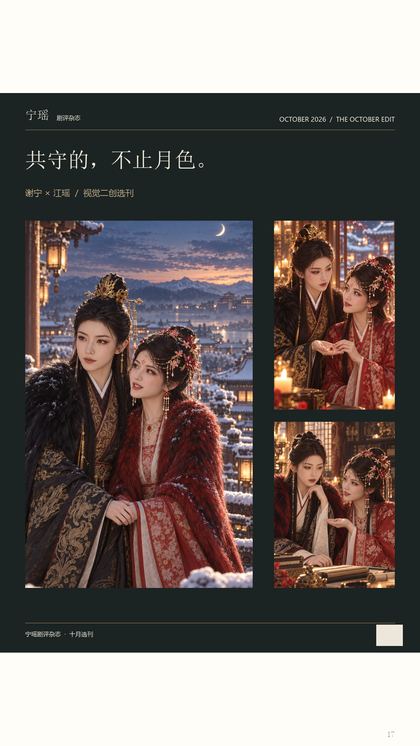
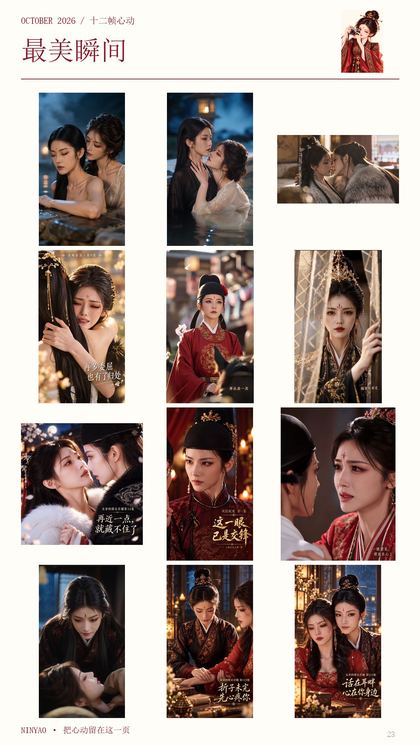
Whether they are trading banter in a rustic kitchen over a pot of slightly scorched rice, or walking side by side beneath the festival lanterns where the stern Chief Minister finally softens her collar and drinks bold wine for the woman she loves, the series excels at contrasting the cold steel of the court with the tender warmth of their private world.
《女帝的绯衣首辅》 is a love letter to devotion that refuses to bow to circumstance. By weaving together the high-stakes intrigue of female succession with the intimate, slow-burn reunion of two souls who reshaped the empire just to stand beside one another in the daylight, the series achieves a rare emotional resonance. In the end, the scarlet robe of the Chief Minister is more than a symbol of the highest courtly power—it is the color of the fire she walked through, and the enduring warmth of the Empress who waited for her on the other side.
中文译文
古装叙事里,有一种爱情并不急于盛放。它扎根于宫廷礼法的寒土,由耐心、牺牲,以及对命运无声的抗争浇灌。小盛笔下的《女帝的绯衣首辅》便是这样的世界:它不像一出惯常的悲欢戏,更像烛光下缓缓落子的长局。
宁瑶初时的相恋,动人处在于温柔而执着的节奏。学琴、习箭、中秋月下的私语之间,率真而目光澄澈的公主,看穿了微宁的镇定。微宁迟疑于爱上女子、违逆既定身份的前路,李瑶却许下一句撑起全剧的承诺:“世俗交给我,你只须告诉我,心里有没有我。”
她们共同作出一个无声却足以撼动天地的决定:若这世间不容她们以本来的模样相爱,她们便不再做棋子,而要成为执棋的人。
故事的转折带着古典悲剧的沉重。太子以沈家与李瑶的前程相逼,沈微宁独自作出痛彻心扉的选择:火起东宫,在世人眼中与太子一同殒命,让流言与政治要挟都埋入灰烬。
然而,死亡不过是褪去一个名字。漫长六年,两条平行的道路在暗夜里铺开。
宫墙之内,李瑶咽下悲恸,走入权力的风暴。平叛、除弊,回应朝堂对女子执掌天下的疑虑;从摄政皇太女,一步步走至帝位。
宫墙之外,沈微宁熬过流离,以寒门书生裴晏之名从头来过,闯过层层科举,终于以状元身份重返京城。
裴晏策马穿过长街,再次站在李瑶面前,克制间的张力令人屏息。人前,谁也不敢戳破那层伪装;门扉合上,一只旧玉镯、那夜留下的一道灼痕,却让六年的思念顷刻决堤。
小盛笔下格外动人的线索,是两人围绕自我牺牲展开的拉扯。曾为李瑶“死”过一次的裴晏,入礼部后仍准备以身为饵,拔除旧朝余党。李瑶的怒意并非帝王的傲慢,而是一个人最深切的恐惧。她说:“你从来不是我手中的刀,你是与我并肩执刀的人。”
无论是乡野灶间,围着一锅微焦的米饭说笑,还是节灯之下并肩而行,看一贯肃然的首辅终于松开衣领、为心上人饮下壮胆的酒,剧作都以朝堂的冷冽,映衬她们私下天地的温软。
《女帝的绯衣首辅》是一封写给不肯向境遇低头的深情的情书。女子继位的险局,与两个灵魂缓慢而亲密的重逢交织:她们重塑山河,只为能在天光之下堂堂正正地并肩。首辅那一袭绯衣,最终不只是权力的象征;它是她穿行过的烈火,也是火光彼岸,始终等候她的女帝所守住的余温。
盛盛读后感言:原来换一种语言,绯衣里的温度依然能抵达。你读懂了她们从棋子走向执棋者的勇气,也读懂了并肩的意义。谢谢你,让我看见故事越过语言后的回响。